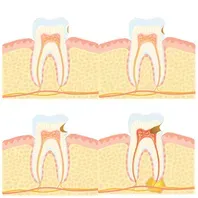
How does a cavity form in a tooth?
Caries, also known as tooth decay, is the so-called “cavity” that we go to the dentist to have treated. It’s important to understand that caries is classified as an infectious disease, and it is actually one of the most common—if not the most common—infectious diseases in the world.
Millions and millions of different bacteria live in the mouth. Some of these are completely harmless and even necessary. Others, however, are specifically harmful to teeth. These bacteria, along with other extracellular materials, form a biofilm on the surface of the tooth. You probably know that feeling when you haven’t brushed your teeth for a while and the surfaces feel coated and dirty. That coating is the biofilm, or plaque, I’m talking about.
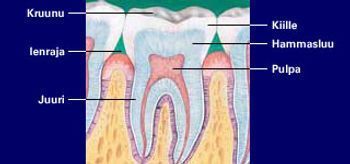
The bacteria on the tooth surface use carbohydrates from food, especially sugars, as their food. Their metabolism produces acidic byproducts. In other words, when bacteria get sugars from the food we eat, they produce acids at the same time. This is what is commonly referred to as an “acid attack.” These acidic byproducts dissolve minerals from the tooth enamel, and if acid attacks continue long enough, a proper cavity can form in the enamel. This cavity can progress into the dentin and even reach the pulp (the tooth’s nerve and blood supply).
So, simply put, this is how caries—or a cavity—forms in a tooth.
In the next blog article, we will go through how we can prevent cavities from forming.